Evidence on a SaaS product page comes in several forms: a demonstration, a documentation link, a quotation, a customer story, a numerical claim or a security statement. These forms are not interchangeable. A clear demonstration may support a claim about a workflow. It does not, by itself, support a claim about how much time every team will save.
Begin by copying the exact claim into your notes. Keep the scope and qualifiers intact. “Can reduce manual work” is different from “reduces manual work,” and both differ from a precisely measured reduction. Small changes in wording can turn a possibility into an apparent guarantee.
Match the claim to the right kind of support
A functional claim needs functional support. Official documentation, an inspectable example or a reproducible demonstration can help establish what a capability does. A customer-experience claim needs an attributable account with enough context to understand the situation. A quantitative outcome needs definitions, a method and a relevant comparison.
For example, GitHub Actions documentation can explain how jobs and workflows operate. It cannot establish a universal improvement in delivery speed. Slack’s channel documentation can establish the intended organization of conversations. It does not establish that every team will experience fewer interruptions. Keep that boundary visible in your conclusions.
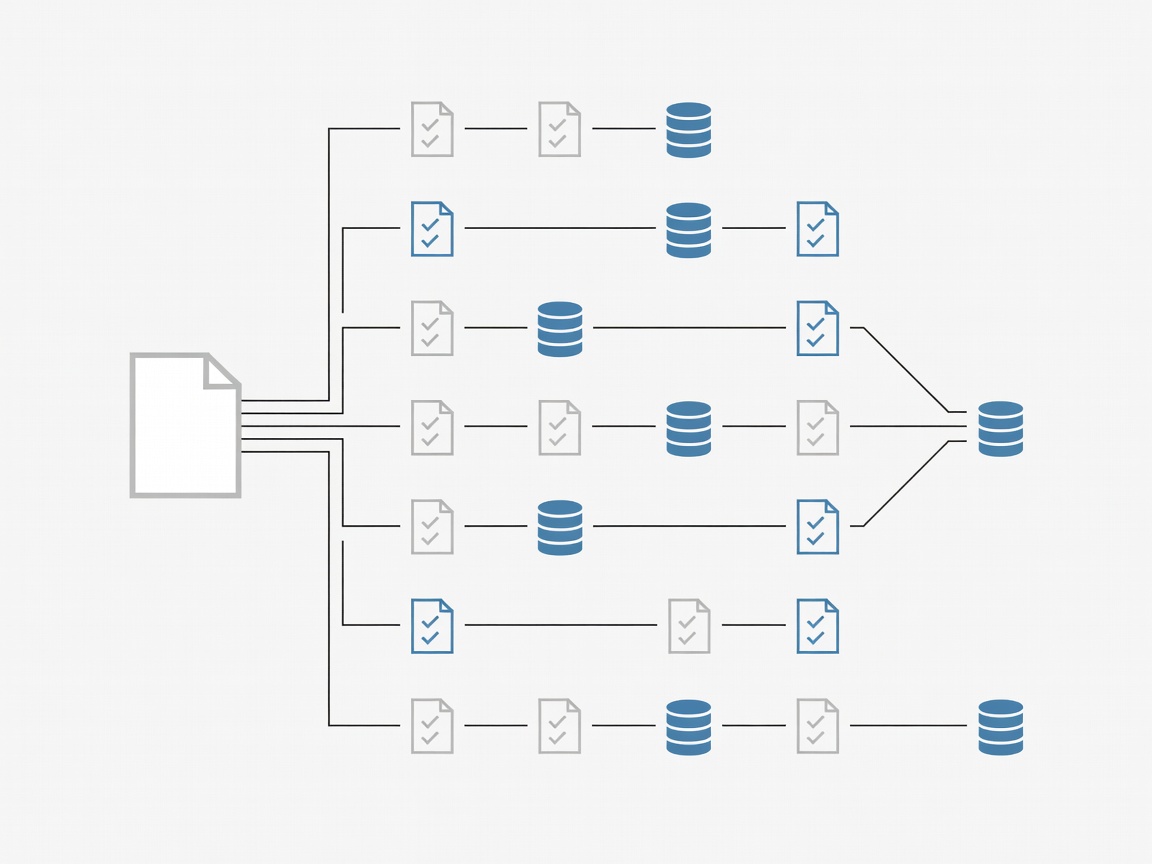
Read customer stories as situated accounts
A customer story may explain a real deployment in useful detail. Look for the organization, the speaker’s role, the problem, the intervention and the stated outcome. A quotation with a name and role is more attributable than an anonymous sentence, but attribution alone does not make the account representative.
Official customer-story collections from Slack, Notion and Figma are publisher-selected material. That selection is relevant context, not a reason to discard everything they contain. Use them to understand a reported use case. Do not turn a selected account into a prediction for a different team with different processes, constraints and training.
A customer-logo strip usually supplies less information. It may indicate some form of relationship, but without an explanation it does not establish the deployment’s scale, timing, product usage or results. Record precisely what is visible: a named organization appears in a logo strip. Do not add an unverified story around it.
Interrogate numbers without inventing alternatives
When a page uses a number, look for the source beside it or in a linked report. Ask what was measured, how the measure was defined, who participated and what period was covered. A percentage without a denominator is difficult to interpret. A time-saving estimate may be based on a survey, an observed process or a modeled scenario; these require different readings.
A before-and-after comparison also needs a baseline. Changes in staffing, training or workflow may accompany the adoption of software. Without a suitable design, a difference does not isolate the product’s contribution. It is reasonable to say that the available material does not establish causation. It is not reasonable to replace the published number with an invented estimate.
This guide does not supply performance rankings or conversion figures. A public page’s arrangement can be observed directly; its effect on sign-ups or retention requires separate evidence. Avoid claims such as “this headline converts better” when you only have a screenshot and a personal preference.
Give security statements their own reading
Security and compliance material should identify its scope. A statement about encryption is not the same as a statement about access controls. A certification or assurance report concerns a defined organization, system, period or standard; a badge cannot explain all of those details by itself.
Inspect the official security or trust material and note what is publicly available. GitHub’s security information and Notion’s security page provide routes for further investigation, but this guide is not a security audit. Some documentation may require a separate request or agreement. Mark inaccessible evidence as not reviewed rather than treating its existence as confirmation of every claim.
Build a claim-and-source record
- Claim.Preserve the original wording and its scope.
- Source.Identify the document, publisher and relevant section.
- Support.State what the source directly explains or reports.
- Limit.Record missing methods, narrow context or unanswered questions.
This record makes your reasoning inspectable. It also keeps skepticism proportionate. Not every unsupported phrase is false, and not every well-supported fact answers the question you care about. The goal is to reach a conclusion no broader than the available evidence.